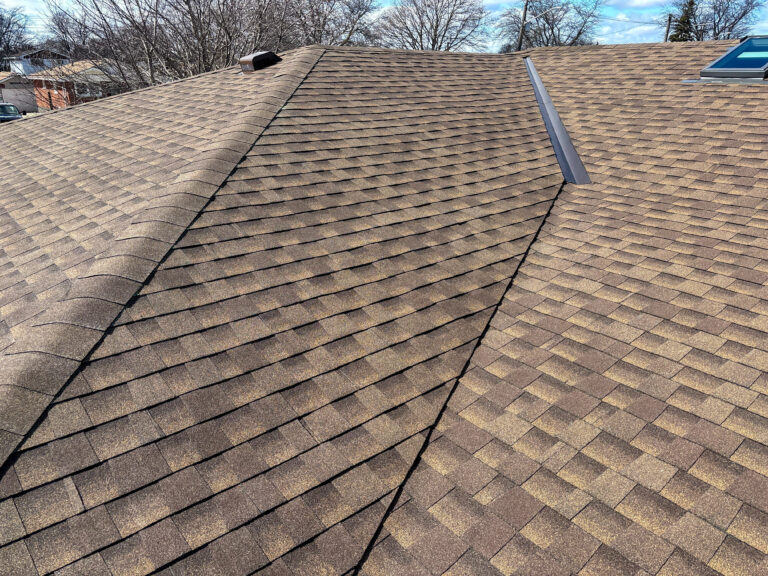
Winter in Southwestern Ontario can be brutal on your roof. Between heavy snow, ice buildup, fluctuating temperatures, and early spring storms, even a well-built roof can develop hidden issues.
As the snow melts and warmer weather arrives in March and April, it’s the perfect time to inspect your roof and tackle preventative maintenance before summer storms roll in.
At Platinum Roofing, we’ve helped hundreds of homeowners across the region extend the life of their roofs by catching small problems early. Here are the top 10 things every homeowner should do for their roof at the end of winter and early spring.
1. Inspect Your Roof for Winter Damage
Winter can cause several types of roofing problems, including:
- Missing or lifted shingles
- Cracked flashing
- Ice dam damage
- Loose vents or ridge caps
Look for any visible changes to your roofline from the ground. If something seems off, it’s best to have a professional roofing contractor inspect it before minor issues turn into expensive repairs.
2. Check Your Attic for Signs of Leaks
One of the easiest ways to spot a roof issue is from inside your home.
Look for:
- Water stains on rafters or insulation
- Mold or mildew smells
- Damp insulation
- Light coming through the roof boards
These signs often indicate roof leaks that started during winter freeze-thaw cycles.
3. Clean Out Your Eavestroughs and Downspouts
Leaves, ice debris, and shingle granules often collect in gutters during winter.
Clogged gutters can cause:
- Water backing up under shingles
- Fascia board rot
- Foundation drainage problems
- Ice dams next winter
Cleaning your eavestroughs ensures proper water flow during spring rains.
4. Look for Shingle Granules in Your Gutters
If you notice a buildup of sand-like granules in your gutters, it could be a sign that your shingles are deteriorating.
Granule loss reduces your roof’s ability to:
- Reflect UV rays
- Resist water penetration
- Handle temperature swings
If large amounts are present, it may be time to consider a roof repair or replacement.
5. Check Roof Flashing Around Chimneys and Vents
Flashing is one of the most common points where leaks occur.
Inspect areas around:
- Chimneys
- Skylights
- Plumbing vents
- Roof valleys
Cracked sealant or rusted flashing can allow water to seep into your home during spring storms.
6. Trim Nearby Tree Branches
Trees that hang over your roof can cause damage during spring winds.
Potential problems include:
- Branches scraping shingles
- Falling limbs damaging roof sections
- Leaves clogging gutters
- Increased moss growth
Trimming branches back helps protect your roof and improves airflow.
7. Check for Moss, Algae, or Mold Growth
Moist winter conditions can encourage moss or algae to grow on roofing shingles.
Moss can:
- Trap moisture against shingles
- Lift shingles over time
- Reduce roof lifespan
A professional roof cleaning can remove growth without damaging your shingles.
8. Inspect Your Roof Vents
Proper ventilation is critical for roof health.
Blocked or damaged vents can lead to:
- Higher energy bills
- Moisture buildup in your attic
- Premature shingle deterioration
Spring is a great time to ensure all vents are clear and functioning properly.
9. Schedule a Professional Roof Inspection
Even if everything looks fine from the ground, many roofing problems aren’t visible without getting on the roof.
A professional inspection can identify:
- Loose shingles
- Hidden leaks
- Structural concerns
- Ventilation issues
Catching problems early can save thousands of dollars in future repairs.
10. Plan Ahead for Summer Roofing Projects
Spring is the ideal time to plan roofing upgrades such as:
- Roof replacements
- Skylight installations
- Ventilation improvements
- Eavestrough upgrades
Roofing companies tend to book quickly once summer arrives, so scheduling early ensures you get the best timing.
Why Spring Roof Maintenance Is So Important in Ontario
The freeze-thaw cycles common in Ontario winters can cause roofing materials to expand and contract repeatedly. Over time, this can loosen shingles, crack sealants, and create entry points for water.
By addressing these issues early in the spring, homeowners can:
- Prevent costly leaks
- Extend the lifespan of their roof
- Improve energy efficiency
- Protect their home’s structural integrity
When Should You Call a Roofing Professional?
You should contact a roofing professional if you notice:
- Missing shingles
- Water stains inside your home
- Sagging roof sections
- Excessive shingle granules
- Damaged flashing
A quick inspection can determine whether you need a simple repair or a full roof replacement.
Platinum Roofing: Serving Homeowners Across Southwestern Ontario
At Platinum Roofing, we specialize in helping homeowners protect their homes from Ontario’s harsh weather.
Our experienced team provides:
- Roof inspections
- Roof repairs
- Roof replacements
- Skylight installations
- Emergency leak repairs
We take pride in offering honest assessments, quality workmanship, and long-lasting roofing solutions.
Schedule Your Spring Roof Inspection Today
If your roof went through another tough Ontario winter, now is the perfect time to make sure everything is in good shape.
A quick professional inspection can give you peace of mind before the heavy spring rains arrive.
Contact Platinum Roofing today to schedule your spring roof inspection and maintenance check. Check out the Canadian Government’s tips on clearing snow and ice.
Key Takeaways
- March is a transition month for roofs
Rapid freeze–thaw cycles can reopen small cracks and worsen hidden winter damage, making early spring inspections critical. - Snowmelt exposes underlying issues
As snow begins to melt, leaks, drainage problems, and weak spots often become visible for the first time. - Flashing and seams are high-risk areas
Temperature fluctuations can cause expansion and contraction, loosening seals and allowing water intrusion. - Gutters and drainage systems need immediate attention
Blocked gutters during spring thaw can lead to overflow and water damage around the foundation and roofline. - March isn’t always ideal for full roof replacements
Weather can be unpredictable, with wet surfaces and sudden freezes impacting installation quality and timelines. - Early maintenance prevents costly repairs later
Addressing small issues in March helps avoid major structural damage during heavy spring rains. - Professional inspections provide the most accurate assessment
Roofing experts can safely identify hidden damage and recommend the right timing for repairs or replacement.
FAQ: Spring Roof Maintenance in Ontario
What time of year should you inspect your roof in Ontario?
The best time to inspect your roof in Ontario is early spring and fall. Spring inspections help identify winter damage, while fall inspections prepare your roof for snow and ice.
How do I know if winter damaged my roof?
Common signs of winter roof damage include:
- Missing shingles
- Ice dam marks
- Leaks in the attic
- Granules in gutters
- Damaged flashing
A professional inspection can confirm whether repairs are needed.
Can winter cause roof leaks?
Yes. Ice dams and freeze-thaw cycles can force water under shingles, leading to leaks that may not appear until spring.
Should gutters be cleaned in spring?
Yes. Gutters should be cleaned at least twice a year—once in spring and again in fall to prevent water damage.
How long should a roof last in Ontario?
Most asphalt shingle roofs last 20–25 years, depending on weather exposure, ventilation, and maintenance.